
May 1, 2018 | Allen Van Driel, CEO
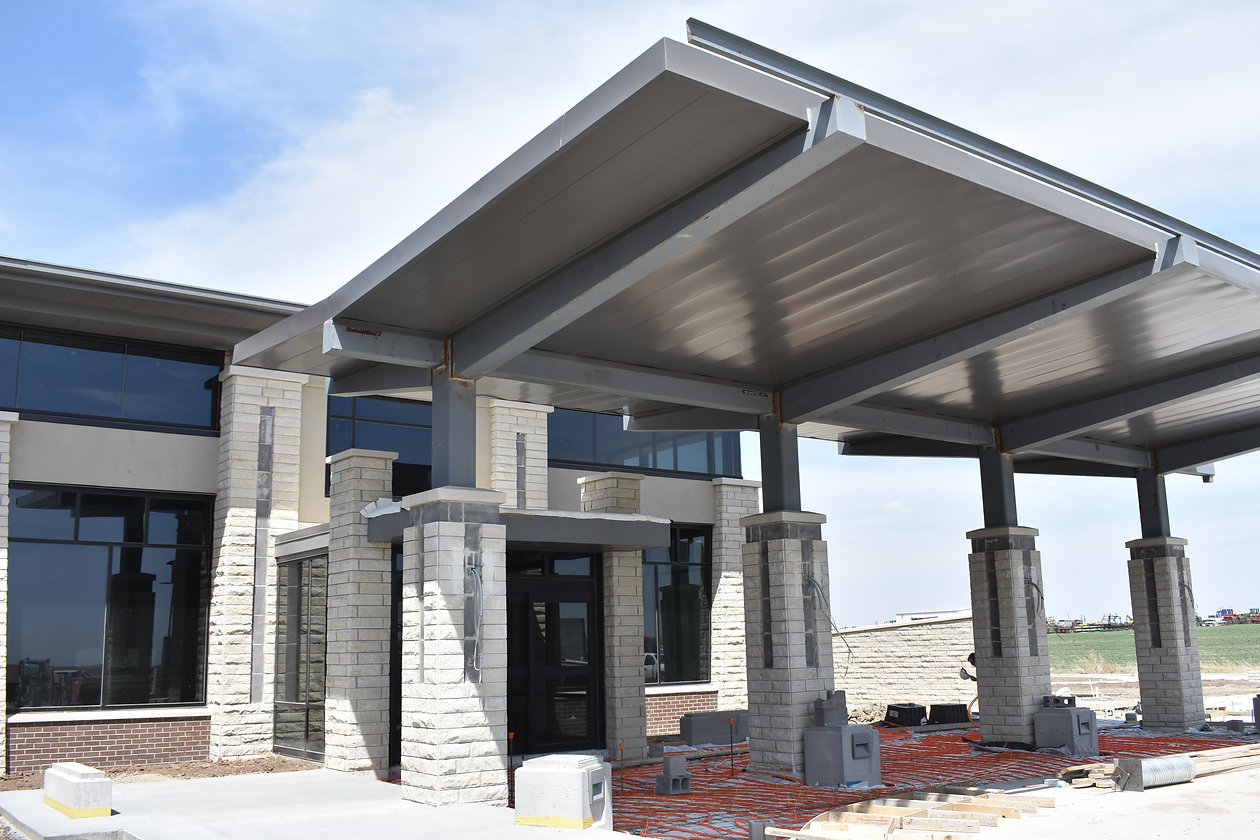
Last month I wrote about the additional funding we were able to receive for our building project using a mechanism called New Markets Tax Credits. The mechanism and cash flow for this is extremely complex, but the end result is expected to be that we will end up with approximately $2.5 million in funding over and above our original budget. When I say that we achieved an additional funding stream for the project, the first question that starts to surface is “Does that mean the project is over budget?” Following that question, the next one is usually “Does that mean you didn’t plan well enough for the cost of the project?” The simple answer to both question is, no.
As I’ve written previously, our contract with the general contractor for the project (Hutton Construction) is structured as a “Construction Management at Risk” model. This means that the contractor issued to the Board of Trustees a total price for construction of the building itself. That price ($21.3 million) did not include the cost of land acquisition, utilities, architect fees, interest incurred on bond funds during construction, and fixtures, furniture, and equipment that we (the “owner”) are purchasing. All the way through construction, we have been tracking carefully what the expenditures have been, including the cost of change orders that have been written into the project. We are very pleased that it currently appears that the project cost will end up several hundred-thousand dollars below the Guaranteed Maximum Price. Coupled with a projected finish date that is almost two months earlier than originally projected, all in all, the project is going very well.
So what do we need the additional funding for? Simply put, we will use the New Markets Tax Credits funds for a number of additions to the project and additional equipment that we did not include originally. Two examples of that have to do with the building. At the time the building design was finalized the federal government was developing new standards related to the mixture and handling of medications. While medications can be very beneficial to patients, some of them are hazardous when mixed. An example is medications used for chemotherapy. Because the revised regulations governing handling of these medications hadn’t been released yet (they actually are still only in draft form), the design of the pharmacy in the new building couldn’t accommodate them. As we learned more about what the requirements will be, we made the decision to redesign the space for the pharmacy and to include two different hoods for compounding of medications. Having access to the New Markets Tax Credits funds meant that we could make this change without driving the cost of the project over budget.
Similarly, the original design for the building did not include emergency generator power for the Rural Health Clinic. While the clinic is not required to have a source of emergency power, our increasing reliance on an electronic medical record makes it nearly impossible to operate the clinic without electrical power. So we asked that additional emergency electrical circuits to the clinic from the emergency switch gear in the hospital be added to the project. Funding for the change will come from the New Markets Tax Credits funds.
From the beginning of the plans for the new facility, we intended to have an entrance from Highway 36. During construction, the Smith County Road and Bridge staff constructed an access road connecting to the project site from East Kansas Street. That access road is a very nice ROCK road. We did not include paving that access in the building plans because of the cost. With the success of the New Markets Tax Credits project, we now are able to plan for paving of the access road (it actually will become a city street), as well as an additional parking lot on the south side of the hospital that was originally going to be a rock surface.
All $2.5 million from New Markets Tax Credits proceeds are not all finally committed yet. As recently as last week, the Board of Trustees continued discussion about which project additions will receive priority. All of the additions, though, will enhance the quality of the finished project. And remember, they are funds that do not have to be repaid. We will convert the construction funding for the major part of the project, which was provided by the Revenue Anticipation Bonds issued by the Public Building Commission, to a long term, low interest loan from the USDA Rural Development Program. The New Markets Tax Credits are outside of both of those funding sources and do not have to be repaid.
Throughout the planning and construction phases of the new facility, the Board of Trustees have been very diligent in controlling costs and using the best resources to pay for the project. New markets Tax Credits are just another example of their efforts.